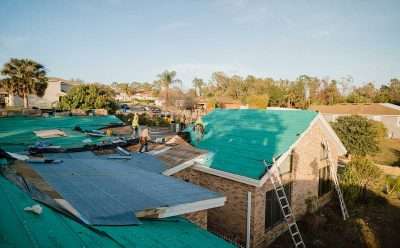
Your roof’s lifespan largely depends on two factors: the materials you choose and the climate they face. Here in Central Florida—from Mount Dora to Orlando and Tampa—our roofs endure extreme conditions that can shorten their expected service life compared to other regions. Understanding how long roofs last in Florida will help you plan for repairs, replacements, and long-term property protection.
Why Roofs Age Faster in Florida
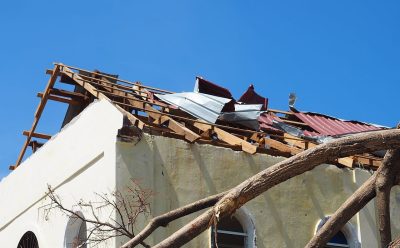
Florida’s climate accelerates roof aging in ways many other states don’t experience, directly impacting the roof lifespan Florida homeowners and businesses can expect. Intense UV exposure breaks down roofing materials year-round, while heat and humidity create expansion and contraction cycles that stress fasteners and seals. Tropical storms and hurricanes bring wind uplift forces, hail, and airborne debris that can damage even newer roofs.
Properties near Tampa Bay face additional challenges from salt air, which corrodes metal components and degrades protective coatings faster than inland locations.
The Florida Building Code sets strict standards for underlayment, fastener schedules, and wind ratings precisely because our weather demands it. Every roofing project completed by Skymark Roofing is planned with these standards in mind and built to exceed them in quality for outlasting performance.
These requirements help roofs survive Florida’s conditions, but they can’t stop natural aging. Inspections after major weather events will catch roof repair needs before they become expensive failures. Homeowners and property managers who stay ahead of maintenance typically add years to their roof’s functional life.
Residential Roof Lifespans in Central Florida
Residential roofing materials perform differently under Florida’s climate stress. The numbers below reflect realistic expectations for Central Florida installations with proper maintenance and professional workmanship.
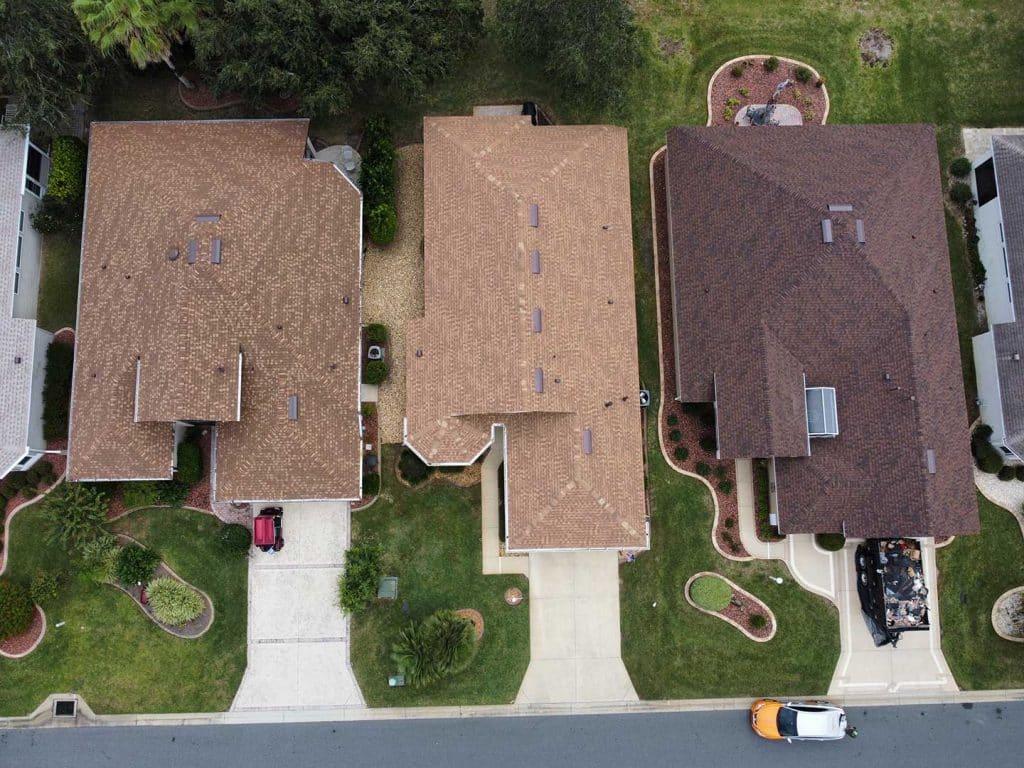
Asphalt Shingles (3-Tab and Architectural)
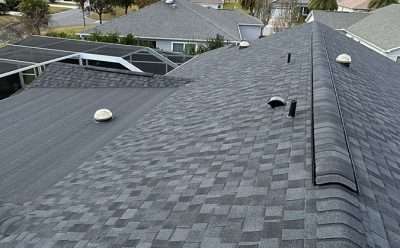
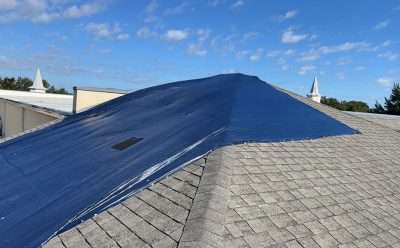
Standard 3-tab fiberglass asphalt shingles typically last 15-20 years in Florida, while architectural shingles extend that range to 25-30 years. The difference lies in their thickness and layering: architectural shingles have more material to withstand UV degradation and thermal cycling.
Underlayment quality plays a significant role in actual lifespan. High-quality synthetic underlayment resists moisture penetration better than traditional felt, especially in Orlando and Tampa’s humid conditions. Proper attic ventilation prevents heat buildup that can prematurely age shingles from below, while correctly installed ridge and hip details prevent wind-driven rain intrusion.
Plan for inspections every 3-5 years, or immediately after severe storms. Look for curling edges, missing granules, or lifted corners—all signs that replacement may be approaching.
Metal Roofing (Standing Seam, Ribbed)
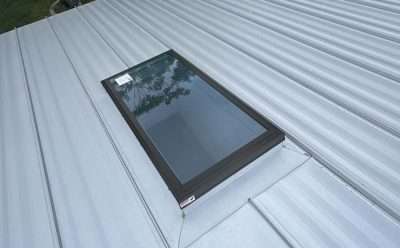
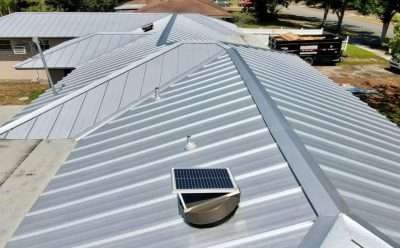
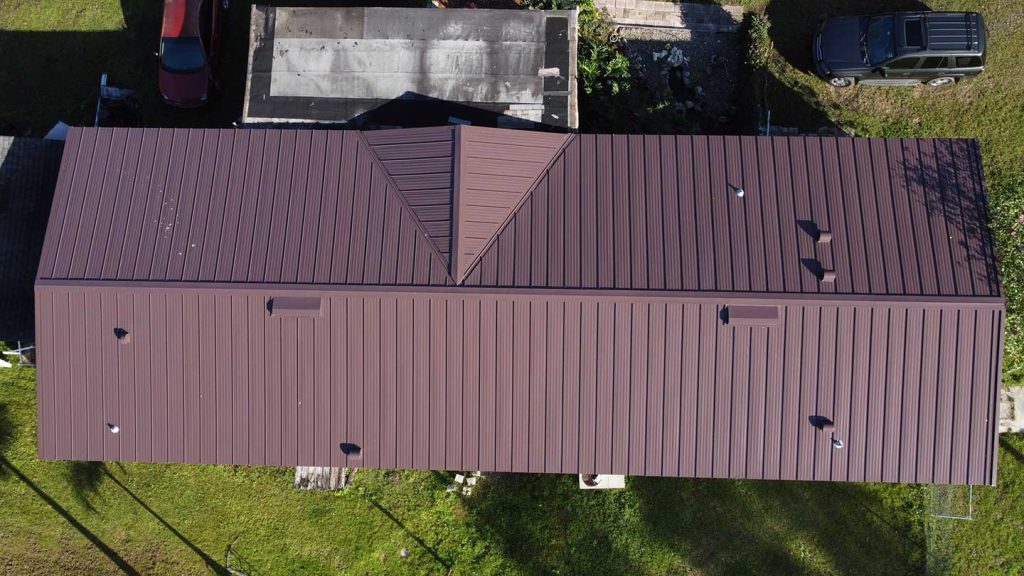
Metal roofing delivers 50+ years of service in Florida when properly maintained. Standing seam systems with concealed fasteners outlast exposed-fastener ribbed panels because the fasteners themselves become maintenance points over time (UV exposure degrades gaskets and washers that need periodic replacement).
Coating type will also affect longevity. Kynar or PVDF finishes resist fading and chalking better than standard polyester coatings. Near the coast, particularly around Tampa Bay, galvanized or Galvalume substrates resist salt air corrosion more effectively than bare steel. Metal roofs excel in high wind zones and reflect solar heat, which can lower cooling costs. The noise concern during rainstorms is real but manageable with proper insulation and underlayment.
Tile Roofing (Concrete and Clay)
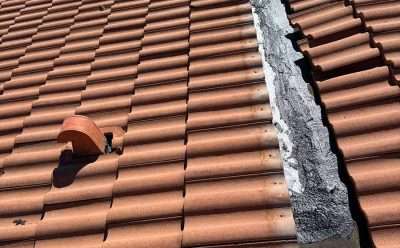
The tile roof lifespan Florida homeowners typically experience is 50+ years for the tiles themselves, but the underlayment beneath them needs replacement every 20-25 years. This creates a unique maintenance cycle for Mount Dora and Orlando homeowners—your tiles may look perfect while the waterproofing layer underneath has deteriorated.
Concrete tiles are more common than clay in residential applications due to cost, but both handle Florida’s roof lifespan expectations well when wind ratings match your location. Individual tile cracks from falling branches or foot traffic during maintenance require prompt repair to prevent water intrusion. Many HOAs mandate tile roofing for aesthetic consistency, making underlayment replacement an anticipated expense.
Other Residential Options (Slate, Synthetic)
Slate roofing is rare in Florida due to weight requirements, though it can last 75+ years where installed. Synthetic slate and shake products offer 30-50 year lifespans with lighter weight and better wind ratings, but availability and building code approvals vary across Central Florida municipalities.
Before choosing specialty materials, verify that the products meet Florida Building Code wind and fire ratings for your specific zone. Cost-to-life ratios often favor metal or tile for long-term value in our climate.
Commercial Roof Lifespans in Central Florida
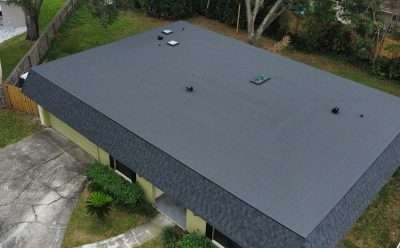
Commercial roof lifespans in Central Florida depend heavily on membrane thickness, installation quality, and drainage management. Flat roofing systems are the leading choice for commercial roofs in Orlando and Tampa as they perform well in our subtropical climate.
TPO
Commercial TPO roofing delivers 15-20 years of service, with thicker membranes lasting longer. A 45-mil TPO membrane represents the minimum standard, while 60-mil and 80-mil options add years to a commercial roof lifespan in Florida.
Heat-welded seams create watertight bonds that mechanical fasteners can’t match, making TPO particularly reliable in our heavy rainfall climate. Ponding water—standing water that remains 48 hours after rain—shortens any flat roof’s life, so proper drainage design is just as important as material choice. TPO’s white reflective surface reduces cooling loads for Orlando and Tampa warehouse and office buildings, making it both economical and energy-efficient for low-slope applications.
PVC
PVC roofing shares TPO’s heat-welded seam technology but adds superior chemical resistance, making it the preferred choice for restaurants with grease-laden exhaust and industrial facilities handling solvents or oils. Lifespan typically ranges from 20-30 years with proper maintenance.
PVC membranes cost more upfront than TPO but require less frequent repairs in harsh chemical environments. The material resists algae and bacterial growth better than other single-ply membranes, which is helpful in Florida’s humid climate where organic buildup accelerates deterioration.
EPDM
EPDM (rubber roofing) handles Florida heat reasonably well but shows UV vulnerability over time. Expect 15-25 years of service, with reflective coatings extending lifespan by reducing surface temperatures. Black EPDM absorbs heat rather than reflecting it, increasing cooling costs compared to white TPO or PVC.
Seams are typically adhered or taped rather than heat-welded, creating potential weak points in our heavy rain and wind conditions. Regular inspections and coating reapplication help EPDM reach its upper lifespan range in Central Florida’s challenging environment.
Modified Bitumen and BUR
Multi-ply modified bitumen and built-up roofing (BUR) systems deliver 15-25 years when properly maintained. These older roof types show predictable aging patterns: surface cracking, blister formation, and gravel loss that signal declining performance.
Reflective coatings can add 5-10 years to an aging modified bitumen roof, delaying replacement costs while improving energy performance. Once membranes show widespread cracking or multiple leak points, replacement becomes more cost-effective than continued patching.
Metal for Commercial
Metal roofing on commercial buildings can exceed 40-50 years with minimal maintenance. Retrofit installations over existing roof decks avoid tear-off costs and provide exceptional wind resistance—critical for Tampa’s coastal exposure and Orlando’s inland storm zones.
Coastal properties require careful material selection. Aluminum or heavy-gauge galvanized steel with premium coatings resist salt air corrosion that shortens the life of lower-grade metals. Metal’s long lifespan and low maintenance make it attractive for facilities planning 30+ year ownership.
The Best Roofing Types for Longevity in Florida
For residential properties in inland neighborhoods like Mount Dora and Orlando, metal and tile roofs deliver the longest service life—both exceeding 50 years with proper maintenance. Architectural shingles offer a solid mid-range option at 25-30 years for homeowners balancing upfront cost against longevity. In coastal-influenced Tampa areas, metal roofing with corrosion-resistant coatings and tile both handle salt air exposure better than shingles, making them the best roofing for Florida climate conditions near the bay.
Commercial property owners typically see the longest life from metal roofing on sloped applications and thick-mil TPO or PVC on low-slope buildings. Mixed-use developments benefit from metal’s 40-50 year lifespan and minimal maintenance requirements, while warehouse and retail facilities often choose 60 or 80-mil TPO for its balance of cost, performance, and energy efficiency.
Build quality multiplies every material’s potential. Premium underlayment, proper ventilation, code-compliant fastening, and experienced contractor installation turn a 20-year roof into a 25-year roof and a 30-year system into 40+ years of reliable service. Cutting corners on any of these factors shortens even the most durable materials’ functional life.
Solar Panels, Roof Age, and Warranty Considerations
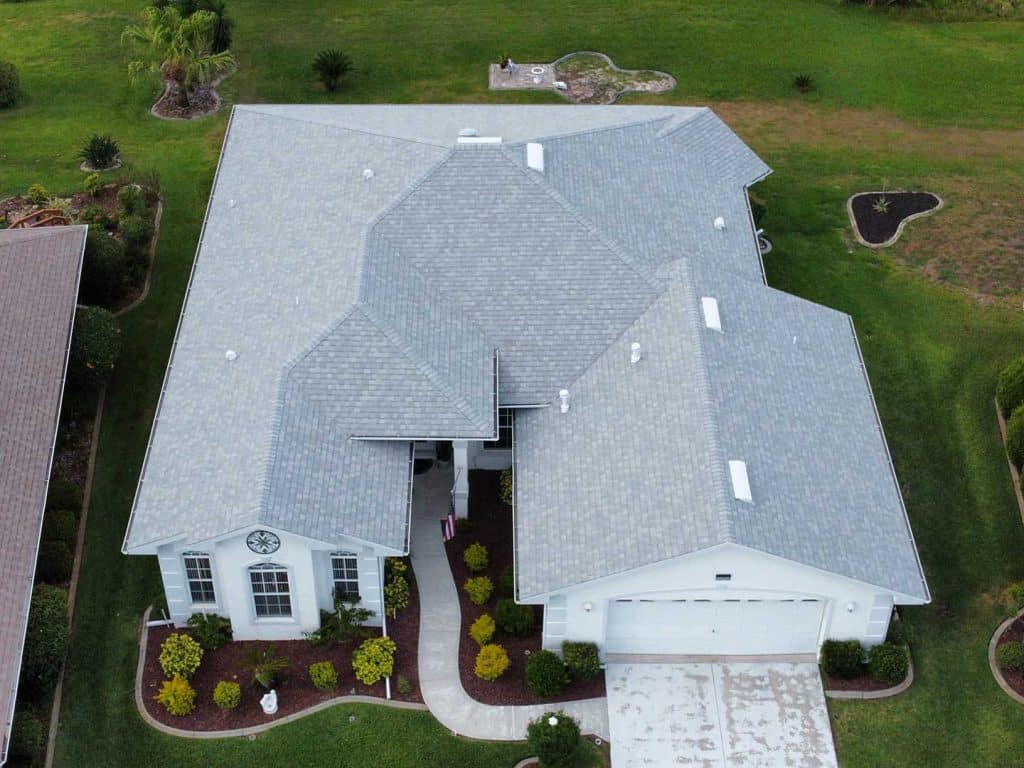
Installing solar panels on a roof that’s already 15+ years old creates a timing problem. Solar systems last 25-30 years, but if your roof needs replacement halfway through that period, you’ll pay to remove and reinstall the panels—often costing thousands of dollars.
The smart approach: replace aging roofs before adding solar. Racking systems, mounting penetrations, and waterproofing details all require careful execution to protect both your roof and solar warranties. Flashing around panel mounts must meet manufacturer specifications, or you risk voiding coverage on both systems. Working with contractors experienced in both roofing and solar integration protects your investment—they understand how load distribution, proper sealing, and coordination between trades prevent problems down the line.
If you’re considering solar for your Orlando, Tampa, or Mount Dora property, schedule a free roof inspection to verify your roof is solar-ready. We’ll assess the remaining lifespan and identify any repairs needed before installation begins.
How Inspections and Repairs Extend Roof Life
Annual or biannual inspections catch problems while they’re still manageable. After hail or tropical storms, immediate storm damage roof inspections will document damage for insurance claims and prevent small issues from becoming major failures. Florida regulations require timely claim filing, so post-storm documentation is a must.
Common repairs that add years to roof lifespan include reflashing chimneys and penetrations, replacing missing or blown-off shingles, resealing fasteners on metal panels, and addressing spot underlayment damage on tile roofs. These relatively minor fixes prevent water intrusion that leads to deck rot and interior damage—problems that force premature replacement.
At some point, you’ll likely face a choice between roof repair vs roof replacement and a professional assessment will help determine which is the best course. During storm season, our emergency roofing teams respond quickly across our service areas to protect your property while you decide on permanent solutions.
Roof Lifespan Quick Reference
| Roofing Material | Typical Florida Lifespan | Notes |
| Residential | ||
| 3-Tab Asphalt Shingles | 15-20 years | UV exposure and heat shorten lifespan vs. northern climates |
| Architectural Shingles | 25-30 years | Thicker construction withstands Florida conditions better |
| Metal Roofing | 50+ years | Requires fastener maintenance; coastal areas need corrosion-resistant coatings |
| Tile (Concrete/Clay) | 50+ years (tiles) | Underlayment needs replacement every 20-25 years |
| Slate | 75+ years | Rare in Florida due to weight and cost |
| Synthetic Slate/Shake | 30-50 years | Verify local code approvals before installation |
| Commercial | ||
| TPO (45-mil) | 15-20 years | Thicker membranes (60/80-mil) extend lifespan |
| PVC | 20-30 years | Superior chemical resistance for restaurants and industrial use |
| EPDM | 15-25 years | Coatings extend service life in Florida heat |
| Modified Bitumen/BUR | 15-25 years | Reflective coatings can add 5-10 years |
| Metal (Commercial) | 40-50+ years | Minimal maintenance; excellent for coastal exposure with proper materials |
Actual lifespan varies based on installation quality, material grade, maintenance frequency, and site-specific exposure to wind, salt air, and storm activity. These ranges reflect realistic expectations for professionally installed roofs in Central Florida.
Orlando, Tampa, and Mount Dora: What We See Locally
Orlando properties face moderate wind zones and frequent afternoon thunderstorms that test flashing and sealant integrity. Neighborhoods with mature tree coverage see more impact damage from falling branches and accelerated algae growth from shade and moisture. Tampa roofs, particularly near the bay, deal with salt air that corrodes metal fasteners and degrades shingle adhesives faster than inland areas.
Mount Dora roofing projects benefit from the area’s inland location, which offers some protection from coastal weather, but hurricane remnants and severe thunderstorms still create wind uplift and water intrusion challenges.
We’ve seen 25-year architectural shingles in tree-shaded Windermere neighborhoods need replacement at 18 years due to moss and algae damage. Metal roofs near Tampa’s Westshore district show fastener corrosion at 15 years that inland installations don’t experience until year 25. College Park tile roofs often need underlayment replacement around year 20, right on schedule with Florida roof life expectancy for that system.
Get More Years From Your Roof: Next Steps
Scheduling a free inspection gives you a clear picture of your roof’s current condition and remaining lifespan. For commercial properties, maintenance plan enrollment provides regular check-ups that catch problems early and extend your investment. During storm season, our emergency response teams are available 24/7 to secure damaged roofs and prevent further loss.
Ready to protect your property? Call 352-706-7417 or request your free estimate today. Whether you need a routine inspection, repairs, or planning for replacement, Skymark Roofing brings 35+ years of Central Florida expertise to every project.
Florida Roof Lifespan FAQs
What is the average roof lifespan in Orlando compared to other Florida cities?
Orlando roof lifespan averages match most inland Central Florida cities: 15-20 years for standard shingles, 25-30 years for architectural shingles, and 50+ years for metal or tile. Coastal cities like Tampa may see slightly shorter lifespans due to salt air exposure, while truly inland areas occasionally add 2-3 years to shingle performance.
How long does a Tampa shingle roof last with regular inspections and repairs?
Tampa roof lifespan for shingles with regular maintenance typically reaches 15-20 years for 3-tab shingles and 25-28 years for architectural shingles. Coastal salt air can reduce these ranges by 2-3 years compared to inland locations, making proactive inspections and prompt repairs even more critical for maximizing lifespan.
Do Mount Dora homeowners need to replace underlayment on tile roofs before the tiles wear out?
Yes. Tile roofs in Mount Dora and throughout Central Florida require underlayment replacement every 20-25 years, even though the tiles themselves last 50+ years. The waterproofing layer beneath deteriorates from heat and moisture long before the tiles show significant wear.
How soon should I replace a roof if I plan to add solar panels in Central Florida?
Replace your roof before adding solar if it’s already 15+ years old or showing signs of wear. Solar systems last 25-30 years, and removing/reinstalling panels for roof replacement midway through will incur significant additional costs.
Which commercial roof lasts longest in Florida’s heat and storm cycles?
Metal roofing lasts longest on commercial buildings in Florida, often exceeding 40-50 years with minimal maintenance. For flat or low-slope commercial applications, 60 or 80-mil TPO and PVC membranes deliver 20-30 years—the longest lifespan available for single-ply systems facing Florida’s intense UV, heat, and storm exposure.